 +
If you're introducing a book on TikTok, decide who the post should help. A reader needs a reason to open the book. A gift buyer needs to know who it's for and what they'll hand over. BookTok marketing can serve both, but one post rarely gives both people everything they need. Three public examples show how easily a search can mix those jobs. You'll leave with two openings for the same book and a way to choose which one belongs in your next post.
Imagine a bookseller watching someone pick up a novel. The customer turns it over and reads the back. The next person asks for a gift for a sister who reads on the train. Both have the same book in their hands. But one wants to know if the story will hold their attention. The other needs a clue that it will suit someone they know. A helpful bookseller would talk to them in different ways.
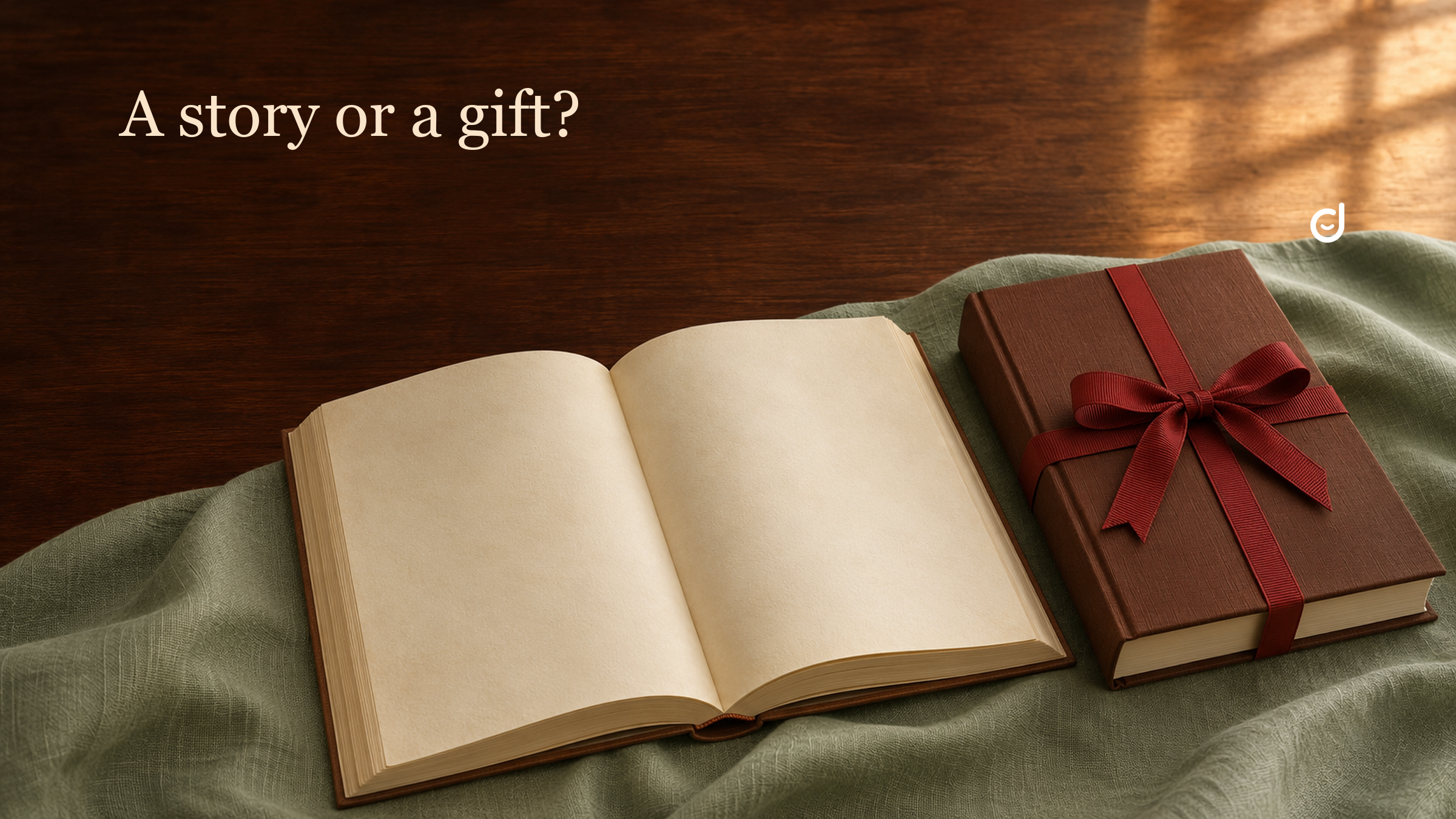
An author can make the same choice before filming. A story post can lead with the sort of trouble the main character gets into. It might show a sensible adult taking a friend's dare, then explain why the dare makes the book funny or tense. A gift post needs a different first beat. It can tell the shopper what sort of reader will be glad to unwrap the book and give them a clear view of the edition they'll get.
Those openings aren't just two ways to say buy the book. One makes a promise about the time a reader will spend with the story. The other helps a person make a choice on behalf of someone else. If you're an author with one paperback to promote, a gift format can be a poor guide even if it shares your genre. The viewer might stop for the wrapping or the surprise, not for the story inside.
In its 2026 summer reading list, TikTok describes Abby Jimenez's Just for the Summer as a romantic comedy. The entry gives a reason to pick that book for a summer read. It tells the reader what kind of time they might have with the story. It's a curated recommendation, not a count of what readers in a market bought.
You don't need to copy the phrasing. The useful detail is how much the reader can tell about the book before seeing a price or offer. A romance label alone leaves many choices open. A warm, funny premise starts to narrow those choices. A scene or a small quote that you have the right to use can help the viewer decide. It needs to sound like your book rather than a line that would work for any novel on the list.
Sometimes the occasion is the strongest opening. TikTok's account of a Penguin Random House Grupo Editorial campaign describes content for Sant Jordi in Catalonia, backed by Spark Ads. The books were part of a wider cultural occasion. That campaign isn't evidence of US sales or the effect of an organic post by itself. It does show why a publisher might let the occasion lead when the post is meant for people already interested in it.
For a smaller team, the occasion can be as simple as the end of a long workday or a friend going on a trip. The test is whether it helps a viewer choose. The words about the occasion should leave room for the book to matter. If the same post would work just as well with socks in the package, it may tell you more about the gift idea than about the title.
Use the extension on desktop to inspect references in context, then save a separate example for reading and gifting. Use desktop Chrome. On a phone, open this article on your computer to install the extension.
Explore the research extension
In a US search for shoppable romance book posts, three results used BookTok in their descriptions. One was framed as a gift to give a romance reader. Another led with the surprise of a blind date with a book. The third offered an advent calendar of romance stories. The tag was familiar in all three, but each would set up a different video for an author to make.
| Description premise | What may bring the viewer in | Use as a reference when |
|---|---|---|
| A gift for a romance reader | Someone wants to choose a gift for another person. | You can tell them who might enjoy it and what they will receive. |
| Blind date with a book | The mystery is part of the offer. | The reveal is something you can offer, not just a way to hold back the title. |
| Romance advent calendar | The package gives the buyer several stories to open over time. | Your offer has a reason to be used over more than one day. |
KOLSprite US video research, checked November 19, 2026. The table compares three returned descriptions. It does not tell us how often each premise appears on BookTok or whether any post sold a book.
As a reference, the calendar has a clear use: it shows how a book offer can fit a season. As a story sample, it has a limit: the reader may want the daily openings, apart from any one title. If an author is introducing a standalone novel, repeating the look of that post won't give a viewer a reason to read their book. A better sample would connect a particular reader to a reason to open a particular story.
The blind date idea sits between the two. A seller can build a package around not knowing the title until the buyer opens it. An author with a new release has almost the opposite problem: they need someone to remember the title. Keeping the title hidden could make a fun post, yet leave a viewer with nothing useful to look up later. The decision changes if you've already told the audience about the book. A reveal for people who know it can do a different job from a first look for people who've never heard of it.
When you're browsing with the KOLSprite extension, use the context around the tag to find and inspect examples. For your own reference set, keep the title and what the description promises in separate notes. Then read the post itself before calling it a match. A note like gift reveal belongs in a different set from a note about the book's opening scene. That is the kind of distinction worth keeping when you start with tag context.
Tag context does not tell you which books people buy or how many readers a post will find. What it does give you is a set of public examples to inspect for the job at hand. If your search turns up mostly packages, look for a story premise from a named title before choosing what to film. It's one way to keep attention and intent separate.
Choose whether the next post should help someone pick a specific book or sell a gift offer.
 +
Join the KOLSprite Discord community
Say your paperback is a made-up story about two long-time friends who are asked to look after a small seaside inn. The story post might start with what they get wrong on the first day. For instance: They were meant to keep the inn open for one weekend. By Saturday, they'd lost the keys and gained a wedding party. That line tells a reader what kind of trouble to expect. The next shot can show the actual book and let them see its name.
A gift post for the same title has a different line: For the friend who wants a funny weekend read and never gets a weekend off. That opening helps a shopper think of a person. The next shot should show what they'll get, whether it's the paperback alone or something more. If the book has no special wrap or bonus, show the ordinary edition rather than filming a package you can't offer.
There is room for both posts in BookTok marketing. A story-first version makes sense when people still need to understand why they would read the novel. A gift idea can make sense later, once you know you can show the format and that the shopper is looking for a present. If you only have time for one, pick the one that answers the question you keep hearing about the book. The finished edit should make good on the opening, not move to a different pitch halfway through.
If the author and bookseller are making posts together, they can split the work without sending different messages about the story. The author can show the trouble at the inn and the feeling of reading about it. The shop can show the copy a friend would take home and explain what comes with it. The two posts refer to the same book. They just don't need to reach the same person on the same day. That also gives the team a way to read the questions afterward: requests about the plot belong with the first post, and questions about the edition or delivery belong with the second.
A useful handoff for the next shoot can be one short paragraph. Name the viewer, what they're deciding and the first fact the video will give them. For the story post, that may be the kind of trouble that starts the plot. For the gift, it may be the reader it's for and the edition in the box. That small choice helps the author make a post that could only be about this book, even when the tag belongs to thousands of others.
Latest Articles

As an essential, data-driven toolkit for TikTok influencers and marketers, KOLSprite provides powerful features for effortless creator discovery, trending content identification, and actionable real-time insights.
It empowers users to make smarter decisions and significantly boosts their TikTok business.

 Refer & Earn